Last Updated: April 14, 2026
Table of Contents
What are Customer Retention Strategies?
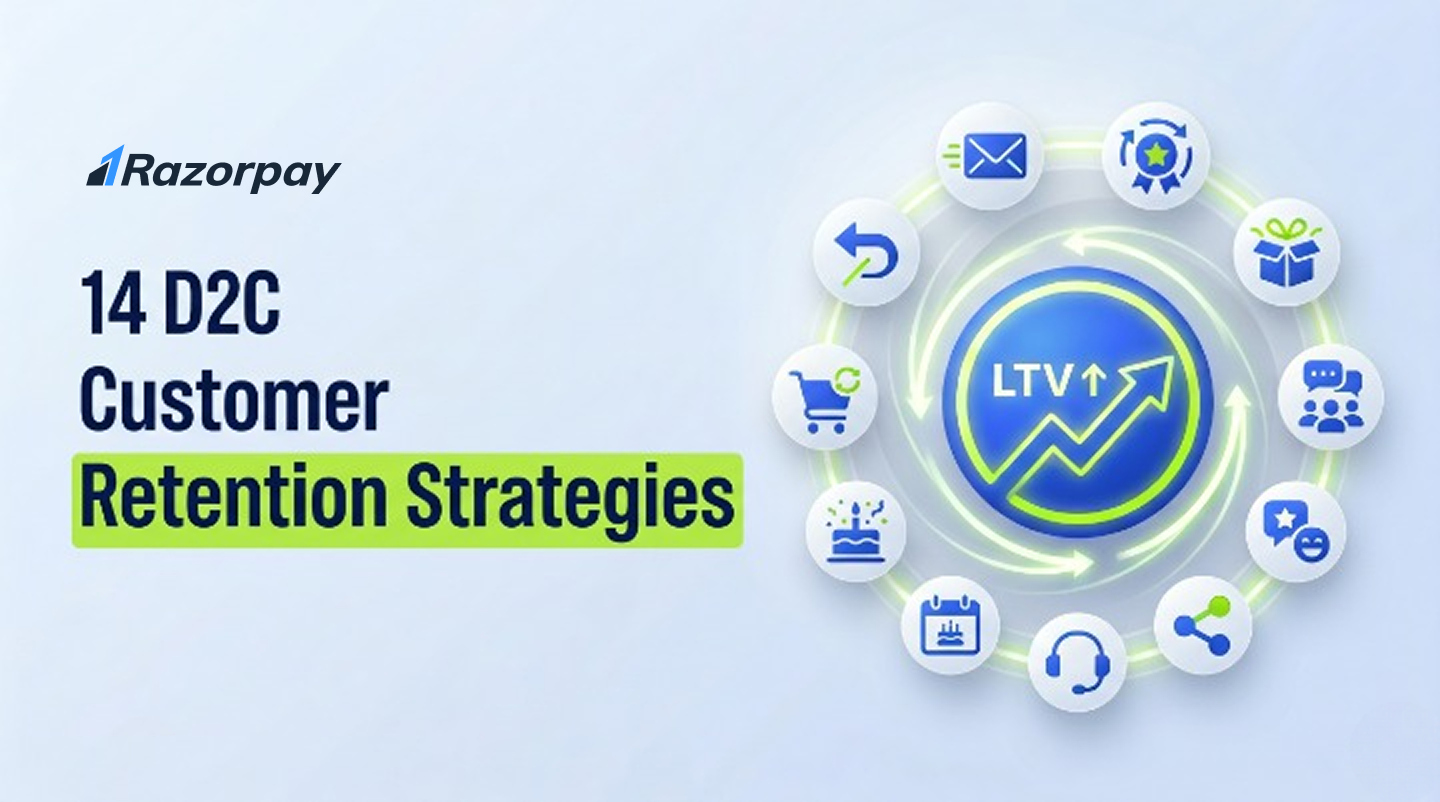
Customer retention strategies are intentional business processes designed to increase the repeat purchase rate and maximize the lifetime value of an existing customer base. In 2026, the most effective strategies focus on reducing checkout friction, proactive communication, and behavioral personalization.
A Simple Way to Think About Retention
Retention usually comes down to three things:
- How easy it is to buy again
- Whether the brand shows up at the right time
- Whether the customer feels any connection beyond the transaction
Most brands focus on the third one too early. The real gains come from fixing the first two, which is where most effective customer retention strategies actually begin.
14 D2C Customer Retention Strategies to Build a High-LTV Brand
1. Designing the “Second Purchase” Loop
What most brands get wrong
They celebrate the first order and move on. There is no clear plan for what happens next.
What actually works
Treat the second purchase as the real conversion point.
How to implement
- Send a useful follow-up within 24 hours
- Help the customer get value from what they bought
- Introduce a relevant next product within the first 7 to 14 days
If a customer does not return within the first month, the chances drop quickly.
2. Eliminating Friction in the Repeat Checkout
What most brands get wrong
They optimize acquisition but ignore how hard it is to buy again.
What actually works
Make repeat purchases feel effortless.
How to implement
- Reduce steps in checkout
- Pre-fill customer information wherever possible
- Keep the mobile experience fast
For returning users, this can go further. For returning users, reducing checkout to a single step can significantly improve repeat conversions.
3. Personalize using real behavior
What most brands get wrong
They send the same campaigns to everyone.
What actually works
Respond to what customers actually do.
How to implement
- Trigger replenishment reminders based on usage
- Follow up on browsing behavior
- Recommend products from the same category
Personalization becomes much more effective when you can reliably recognize returning users across sessions, especially with passwordless sign-in experiences.
4. Build a proper post-purchase journey
What most brands get wrong
Communication stops after delivery.
What actually works
Stay present after the product reaches the customer.
How to implement
- Share product usage tips
- Answer common questions before they come up
- Reinforce the value of the purchase
This is where retention actually starts, not at checkout.
5. Use WhatsApp as a retention channel
What most brands get wrong
They rely only on email and SMS.
What actually works
Meet customers where they already are.
How to implement
- Send order updates and delivery alerts
- Share timely reminders for replenishment
- Use it for quick support interactions
In India, WhatsApp often gets better visibility than email, especially for transactional and reminder flows.
6. Systematizing Product Replenishment
What most brands get wrong
They wait for customers to come back on their own.
What actually works
Bring customers back when they are about to run out.
How to implement
- Estimate product usage cycles
- Trigger reminders before the expected depletion date
- Combine reminders with relevant offers if needed
For many categories, timing matters more than discounts, which is why strong customer retention strategies are often built around when you reach the customer, not just what you offer.
7. Introduce subscriptions where it makes sense
What most brands get wrong
They force subscriptions without clear value.
What actually works
Offer subscriptions as a convenience.
How to implement
- Use it for consumable products
- Provide small incentives or priority access
- Keep cancellation simple
Subscriptions work best when they remove effort, not when they lock customers in.
8. Capture zero-party data early
What most brands get wrong
They rely only on inferred data.
What actually works
Ask customers directly, at the right moment.
How to implement
- Use short quizzes or preference selectors
- Ask about goals or interests during onboarding
- Keep it optional and quick
This improves personalization without guessing.
9. Build a loyalty program people care about
What most brands get wrong
They launch basic points systems that feel generic.
What actually works
Create a sense of progression.
How to implement
- Introduce tiers instead of flat rewards
- Offer early access and exclusives
- Reward engagement, not just purchases
The goal is to make customers feel recognized.
10. Use milestones to stay relevant
What most brands get wrong
They only reach out during campaigns.
What actually works
Show up at moments that matter.
How to implement
- Birthdays
- Purchase anniversaries
- Milestones with the brand
These are simple touchpoints that keep you in the customer’s mind without being intrusive.
11. Make support proactive
What most brands get wrong
They wait for complaints.
What actually works
Solve problems before customers raise them.
How to implement
- Notify delays early
- Follow up after issues
- Keep communication clear
A single proactive message can prevent churn.
12. Use social proof inside the journey
What most brands get wrong
They limit user content to social media.
What actually works
Place it where decisions happen.
How to implement
- Add reviews on product pages
- Highlight real customer usage
- Show ratings during checkout
This builds confidence, especially for repeat purchases.
13. Create a referral loop that feels worth it
What most brands get wrong
They offer weak incentives.
What actually works
Make it valuable for both sides.
How to implement
- Offer rewards to both referrer and new customer
- Trigger referrals after positive experiences
- Keep sharing simple
Referrals work best when timing and value are right.
14. Treat returns as a trust builder
What most brands get wrong
They try to restrict returns to reduce losses.
What actually works
Make returns easy and predictable.
How to implement
- Keep policies clear
- Offer simple pickup or drop options
- Process refunds quickly
Customers are more likely to buy again when they know returns are not a hassle.
Final thoughts
The most effective customer retention strategies are not about doing more things. It comes down to making the experience smoother, more relevant, and easier to come back to.
Frequently Asked Questions
Q1: What is the most effective way to improve D2C customer retention?
Ans: The fastest way to improve retention is by focusing on three pillars: Reducing friction (1-click checkouts), Timing (WhatsApp replenishment reminders), and Experience (proactive support and easy returns).
Q2: What is the fastest way to improve retention?
Start with friction. Improve checkout, simplify returns, and make post-purchase communication better.
Q3: Why do most retention strategies fail?
Because they focus on campaigns instead of the actual experience. If the journey is broken, messaging alone will not fix it.
Explore our collection of customer retention blogs