
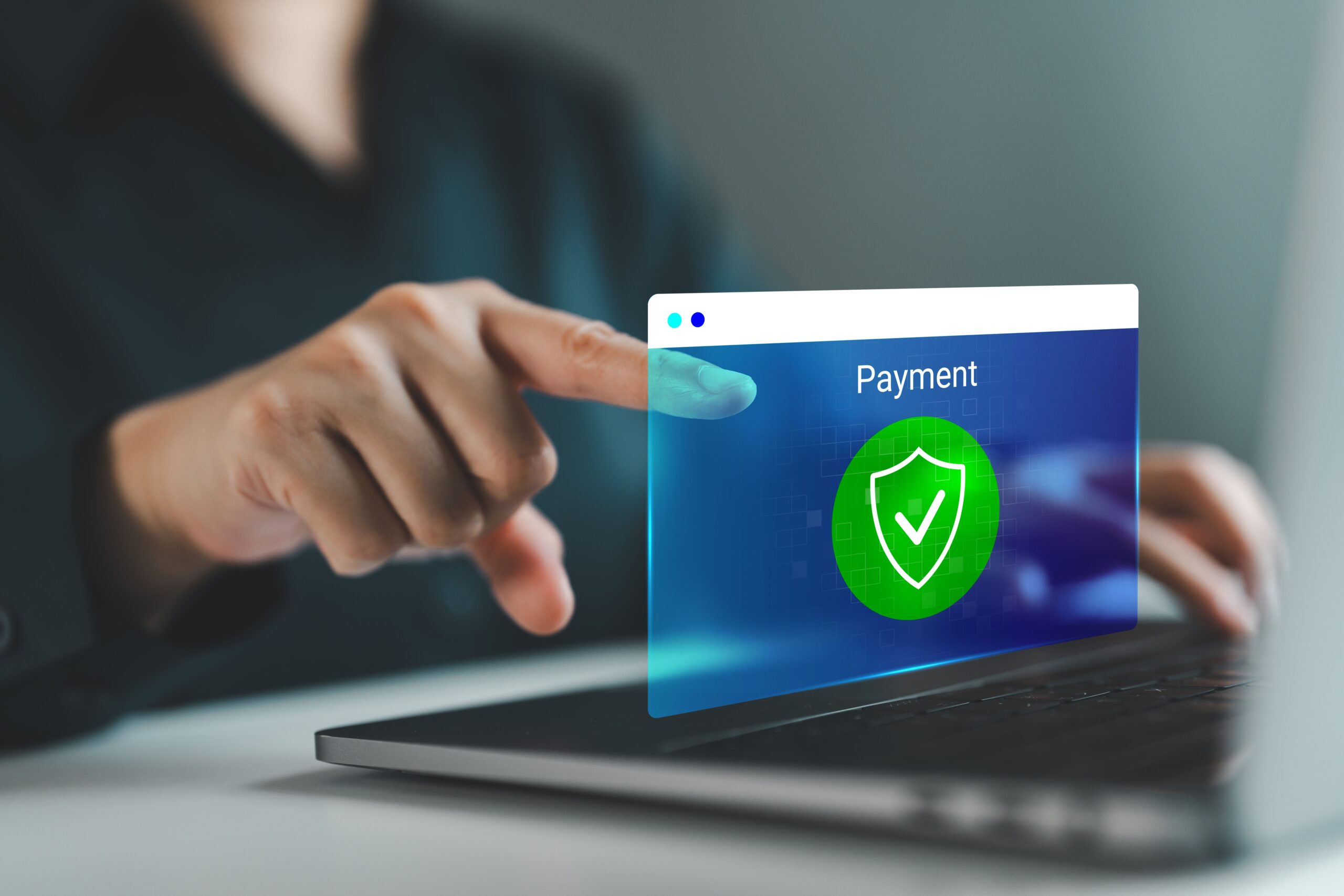
Most online card payments in Singapore now include a quick second check at the end. A one-time password lands on the phone, or a fingerprint prompt opens inside the banking app. Once that step clears, the payment goes through. That short pause is strong customer authentication in Singapore, explained in the simplest way: a second check that confirms the person paying is genuinely the cardholder.
It has become standard for a reason. Card fraud is a real cost for Singapore businesses, and merchants who skip this layer often pay through chargebacks. The sections below cover how it works, why it matters, and what to look for.
Key Takeaways
- An Extra Layer of Security: Strong customer authentication adds a second identity check beyond card details, typically through an OTP, biometric scan, or banking app approval.
- Fraud Remains a Real Threat: Phishing scams remained one of Singapore’s top five scam types in 2025 by both case count and total losses reported.
- 3D Secure Powers Authentication: 3D Secure is the protocol behind card payment authentication, with most Singapore banks now supporting the newer 3DS2 standard.
- Chargeback Protection for Merchants: A successful 3D Secure authentication shifts fraud-related chargeback liability from the merchant to the customer’s bank.
- Security Without Added Friction: 3DS2 allows low-risk transactions to proceed without additional challenges, creating a smoother checkout experience for genuine customers.
- Easy to Implement: Most payment platforms manage the technical aspects of 3D Secure, so merchants rarely need to build authentication systems themselves.
What Strong Customer Authentication Means
Strong customer authentication, or SCA, asks the customer to prove who they are using at least two of three independent factors:
- Knowledge. Something the customer knows, such as a password or PIN.
- Possession. Something the customer has, such as their phone or a registered device.
- Inherence. Something the customer is, such as a fingerprint or face scan.
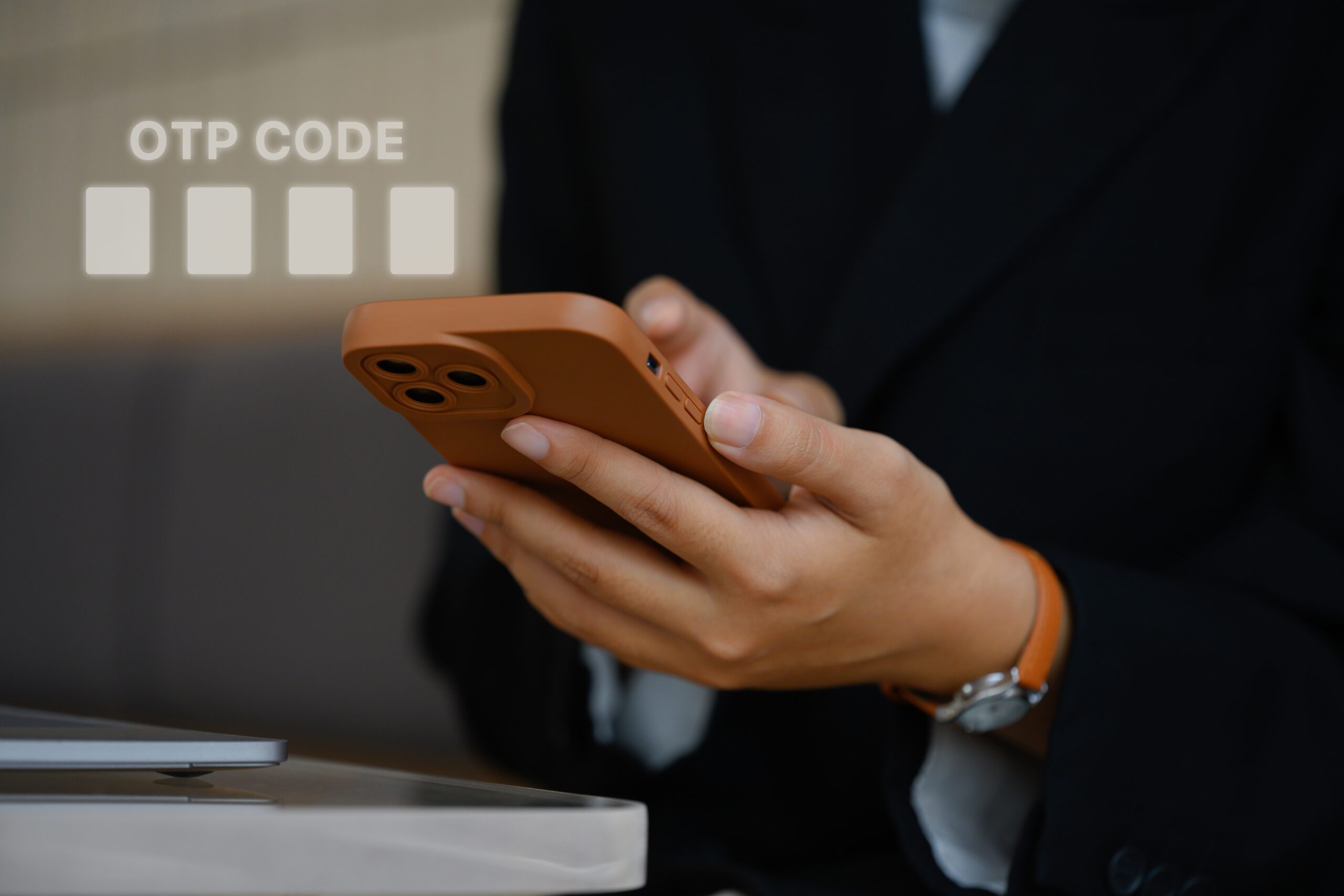
The two factors must be independent, so even if a fraudster gets one, they cannot get the other. In Singapore, the most familiar version is the SMS one-time password, though banks are slowly moving towards biometric approval inside their banking apps. Both prove that the cardholder is genuinely behind the payment.
How Authentication Works at Checkout
The flow looks short to the shopper, but a few things run in the background. When a customer presses pay:
- The merchant’s payment platform sends the transaction to the card network.
- The customer’s bank weighs how risky it looks, based on the device, location, amount, and spending pattern.
- If everything looks normal, the bank approves the payment without asking for anything extra.
- If something looks unusual, the bank requests a one-time password, a fingerprint, or in-app approval.
- Once the customer responds, the payment goes through.
The verification step is what most people picture when they hear “authentication”. The quiet approval, where the bank lets a low-risk payment through, is what makes today’s checkout feel quick.
Why It Matters for Singapore Merchants
Card fraud is a real cost for businesses operating in Singapore. According to the Singapore Police Force’s 2025 Annual Scam and Cybercrime Brief, phishing scams ranked among the top five scam types by both case count and total amount lost in 2025, with many cases involving stolen card details and one-time passwords.
A few practical reasons authentication matters:
- Lower fraud losses. A verified payment is harder to fake, since the criminal would need both the stolen card and the customer’s phone or fingerprint.
- Liability shift. When a 3D Secure payment turns out to be fraudulent, the cost usually falls on the customer’s bank rather than the merchant.
- Customer trust. Buyers are more likely to complete a purchase when their bank’s familiar verification step appears.
- Better approval rates. Banks treat verified payments more favourably, lifting the share of card payments that go through.
For a small online store, the liability shift alone can be the difference between a clean payment month and a costly one.
The Role of 3D Secure
3D Secure is the protocol that runs two-factor authentication on card payments. Visa Secure, Mastercard Identity Check, and American Express SafeKey are the brand names you see at checkout, all running on the same standard.
The current version, 3D Secure 2 (or 3DS2), shares more information about the customer and device with the bank upfront, so safe payments can be approved without bothering the customer. The verification step also happens inside the same checkout window, instead of bouncing the customer to a separate page.
Most major banks in Singapore support 3DS2. How smoothly it runs depends on the technical setup, and the different types of payment gateways handle authentication differently. Hosted gateways send the customer to a payment page run by the provider, while API-based gateways keep the customer on the merchant’s site and run the check in the background.
Compliance Expectations for Singapore Card Payments
Singapore does not have a single law that requires every merchant to use SCA, as Europe does. Rules come from a mix of sources: Monetary Authority of Singapore guidelines on technology and fraud risk, plus rules set by Visa, Mastercard, and the local card networks. To meet SCA compliance for Singapore payments, merchants are generally expected to turn on 3D Secure and follow standard payment security practices.
In a 2025 reply to a parliamentary question, the Monetary Authority of Singapore noted that 3D Secure has been set up as an added security layer for online card transactions. With it in place, a payment cannot go through using just the card number, expiry date, and CVV. Banks here apply this two-step check widely on online card payments.
For most merchants, the payment platform handles this. The job on the merchant side is to keep the integration up to date and avoid switching off verification to make checkout feel faster.
Keeping Online Transactions Secure Without Hurting Conversion
The fear among online sellers is that increased security leads to more abandoned carts. In practice, the gap has narrowed sharply with 3DS2. A customer confirming a payment with a fingerprint is faster than typing an SMS code. Businesses running an API payment gateway integration tend to have the most flexibility, since the check happens inside their own checkout rather than on a redirected page.
A few practical points on how to secure online transactions in Singapore while keeping checkout smooth:
- Use 3DS2 wherever banks support it. It skips the verification step on low-risk payments, so most genuine customers never see one.
- Save cards as tokens. Returning customers can check out quickly without their card details sitting on your system.
- Decide what to do when verification fails. Your platform should know whether to retry, route differently, or decline. A clear rule reduces lost sales.
- Test on mobile first. Most Singapore checkout traffic happens on phones, where verification screens behave differently.
There is no single setting that suits every business. A high-ticket retailer may want stricter checks; a low-margin subscription service may want fewer. The right balance comes from looking at fraud and conversion data together.
Building a Safer Checkout for Long-Term Growth
Layered authentication is now part of everyday checkout in Singapore. Banks expect it, customers recognise it, and merchants who turn it on gain real protection against online card fraud.
Razorpay’s payment technology platform is PCI DSS Level 1 compliant and ISO 27001 certified, with regular third-party audits and a dedicated internal security team. Singapore businesses get a single integration that supports cards, PayNow, and digital wallets like GrabPay.
Talk to our team to see how Razorpay’s technical services in Singapore can fit into your checkout.
Frequently Asked Questions About Strong Customer Authentication in Singapore
Is strong customer authentication required in Singapore?
There is no single law in Singapore that forces it, the way Europe does with PSD2. But Singapore banks and card networks widely apply two-factor checks on online card payments, and the Monetary Authority of Singapore has recognised 3D Secure as an added security layer. In practice, most merchants here are expected to support it.
What is the difference between SCA and 3D Secure?
SCA is the rule that says a customer must verify themselves using two independent factors. 3D Secure is the tool that puts that rule into action on card payments at checkout.
Will SCA hurt my checkout conversion?
Older versions of 3D Secure did add friction, but 3D Secure 2 was built around risk-based checks. Low-risk payments usually go through without a challenge, and the ones that do trigger a check are faster with biometrics or in-app approval. Most merchants see little to no drop in conversion once it is set up properly.
What happens if a customer fails the 3D Secure check?
If verification fails, the payment is usually declined. Merchants can set up their platform to handle this in different ways, such as letting the customer retry, switch cards, or use another payment method. A clear fallback rule helps recover sales without compromising security.
Do recurring payments and subscriptions need SCA?
The first payment in a subscription, when the customer is present, is usually authenticated. After that, ongoing charges set up by the merchant generally do not need another SCA check, as long as the first one is referenced correctly through the payment platform.
