RTGS Timings: Availability, Transfer Time and Delayed Payments
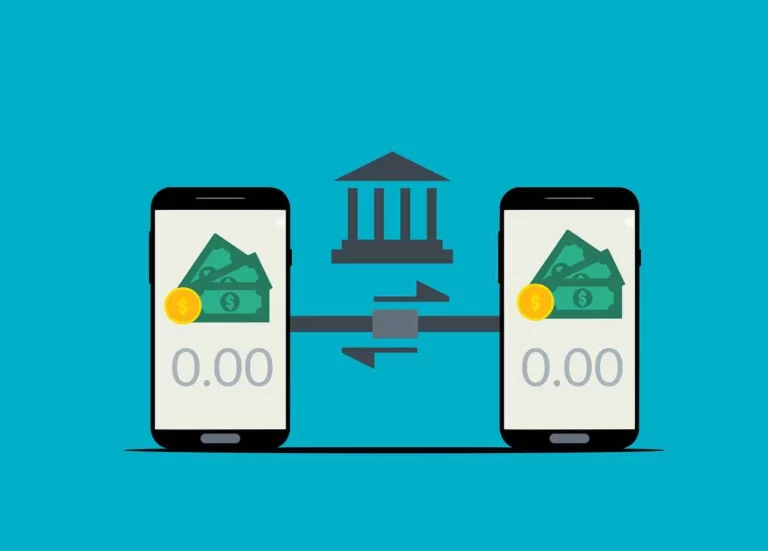
RTGS operates 24 hours a day, including Sundays and bank holidays. The network’s availability is different from the time a branch accepts instructions or the time your bank…

RTGS operates 24 hours a day, including Sundays and bank holidays. The network’s availability is different from the time a branch accepts instructions or the time your bank…
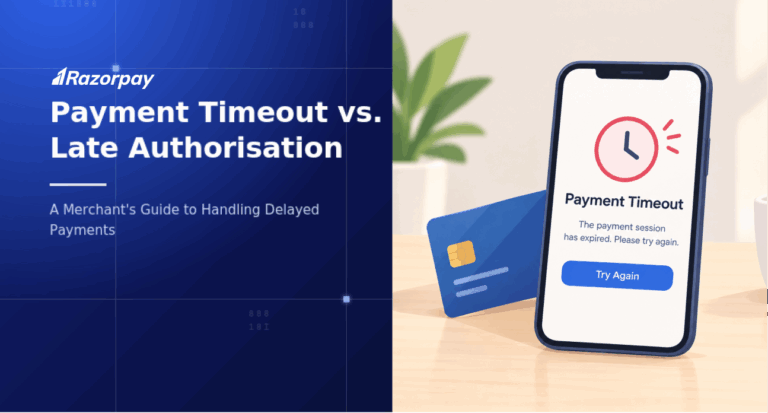
Learn the difference between payment timeout and late authorisation, and how to handle late authorised payments with capture, refund, and webhook logic.
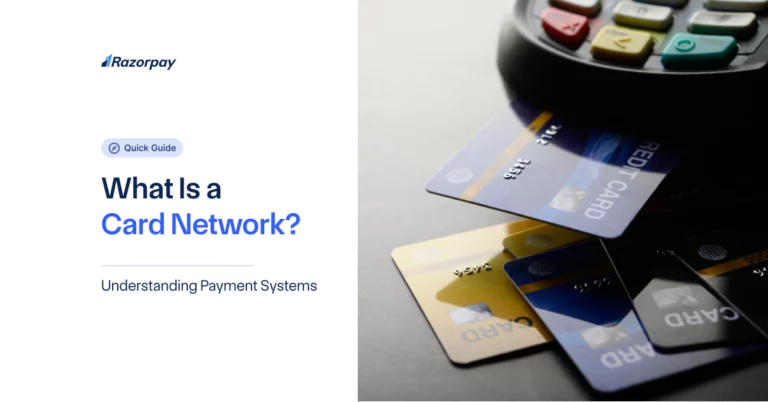
A card network is a financial system that facilitates payments between banks, merchants, and customers. It ensures secure transactions by authorising, processing, and settling payments. Major card networks…
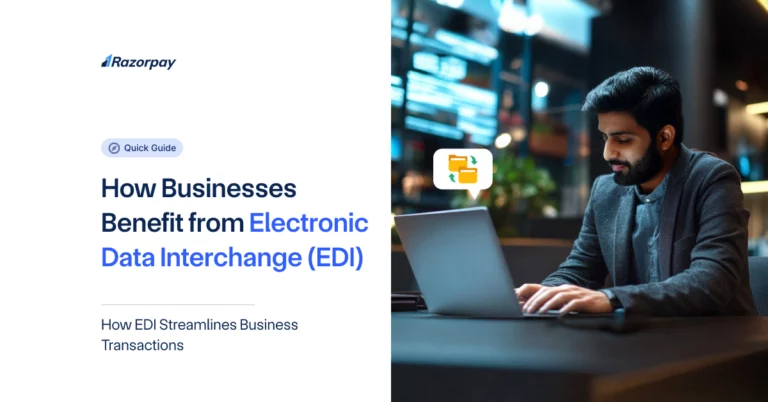
What is Electronic Data Interchange (EDI)? Electronic Data Interchange (EDI) is the computer-to-computer exchange of business documents in a standardised electronic format between trading partners. EDI replaces traditional…
In an increasingly digital world, cyber threats are evolving at an alarming rate. One of the most insidious and rapidly growing types of attack is credential stuffing. This…
Cash disbursement is a critical financial process that every business must understand and manage effectively. In simple terms, cash disbursement refers to the outflow of money from a…
Unearned revenue is a crucial accounting concept that businesses must understand to maintain accurate financial records and make informed decisions. Unearned revenue, also known as deferred revenue or…
What is a Lump Sum Payment? A lump-sum payment refers to a single, substantial amount of money paid all at once, rather than in smaller installments over time.…
What is Overdue Payment? An overdue payment refers to the amount not settled by the due date specified for a transaction. It is the amount that is not…
What is an Advance Payment? An advance payment is a prepayment method, where a buyer can pay money to the payee before receiving the goods or services. If…