For Retro Goods, almost every customer shops on a mobile phone. With 96% of sessions coming from mobile devices, even small checkout improvements can have a big impact. Here’s how Magic Checkout simplified the buying journey and improved the overall checkout experience.
Table of Contents
Retro Goods: In Brief
Founded in 2020, Retro Goods started with a simple idea: bringing the nostalgia of 1990s gaming into modern homes through thoughtfully designed retro game boxes. Over time, the brand expanded beyond gaming collectibles into a wider range of lifestyle products, including lamps, home decor, gadgets, fitness accessories, and more.
Today, Retro Goods serves over 2 lakh customers across India through its Shopify-powered D2C store. Its products range from Rs. 1,299 entry-level game boxes to premium editions priced at Rs. 8000, attracting customers looking for products that stand out from the ordinary.
A Business Driven by Mobile Commerce
Mobile is where Retro Goods’ business happens. Between 95% and 97% of all sessions come from mobile devices. Most customers discover products, browse collections, add items to cart, and complete purchases entirely on their phones.
That reality shapes how the team thinks about checkout.
When nearly every transaction happens on a small screen, friction becomes expensive. A lengthy form, an extra step, or a payment page that feels slow can lead to drop-offs right at the finish line. By that stage, the customer has already discovered the product and decided to buy. The checkout experience is what determines whether that intent turns into a completed order.
They Evaluated Their Options. Then Stayed.
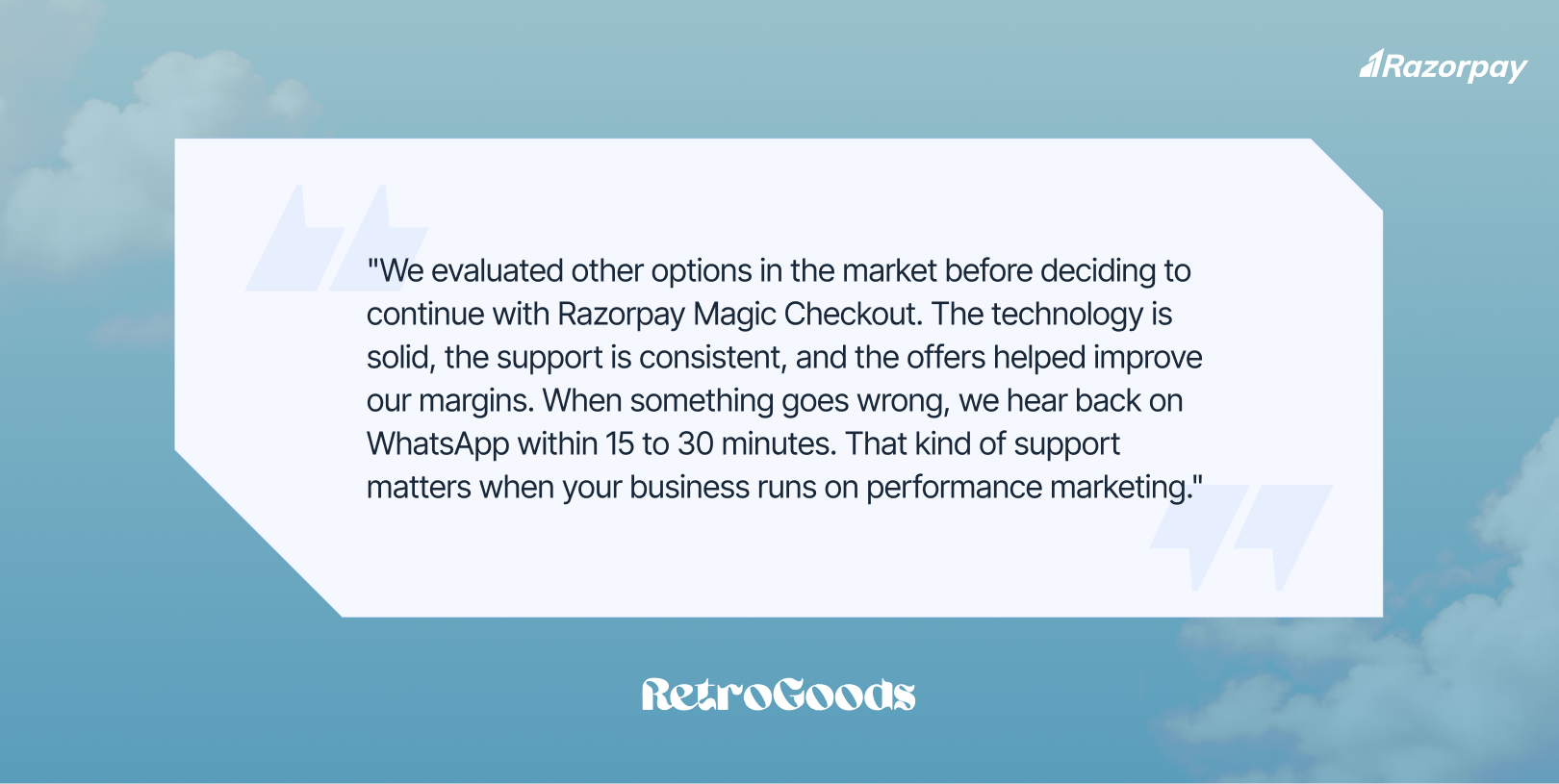
Before continuing with Magic Checkout, the Retro Goods team explored other solutions in the market.
Their evaluation focused on a few practical questions. How reliable was the technology? How responsive was the support team? Would the overall offering make sense commercially as the business scaled?
What stood out was the combination of product performance and customer support.
What also stood out during their time with Magic Checkout was the quality of support. Responses come through on WhatsApp within 15 to 30 minutes, and for a brand running 90% of its marketing on Meta, where a checkout issue can directly affect campaign returns, that kind of turnaround is not just good service. It is something that factors into a business decision.
The commercial benefits also played a role. Competitive pricing and lower costs on Cash on Delivery orders strengthened the business case. Looking at the overall package, the decision to continue with Magic Checkout felt straightforward.
What Powers Their Checkout Experience
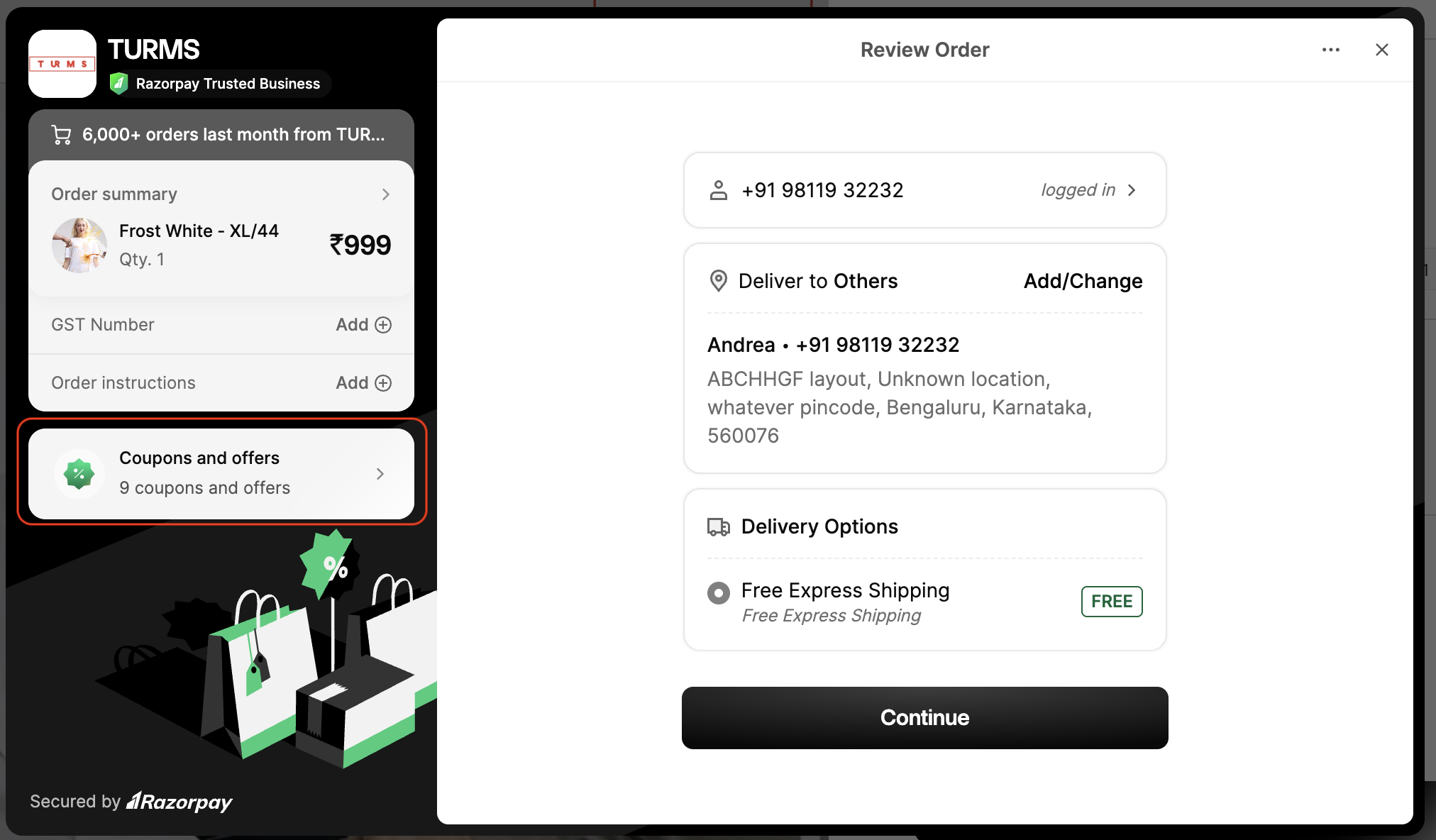
At the centre of Retro Goods’ checkout experience is Magic Checkout, a one-click checkout that prefills contact, address, and payment details for shoppers. Even if a customer is visiting Retro Goods for the first time, if they have shopped at any other Magic-powered store before, their details are already there. They get a returning customer experience from day one and complete their order 5x faster. For a brand where nearly every session happens on mobile, that reduction in steps at checkout is not a small thing.
Alongside Magic Checkout, several other features are live on their checkout today:
- Coupons and offers are shown directly on the checkout page. Shoppers see deals without having to search for codes or leave the checkout flow
- Payment-linked offers on UPI and cards are displayed at checkout, giving shoppers an additional reason to pay online and nudging them toward prepaid naturally
- Preferred payment method is surfaced first based on the shopper’s history, reducing decision fatigue and getting them to the pay button faster
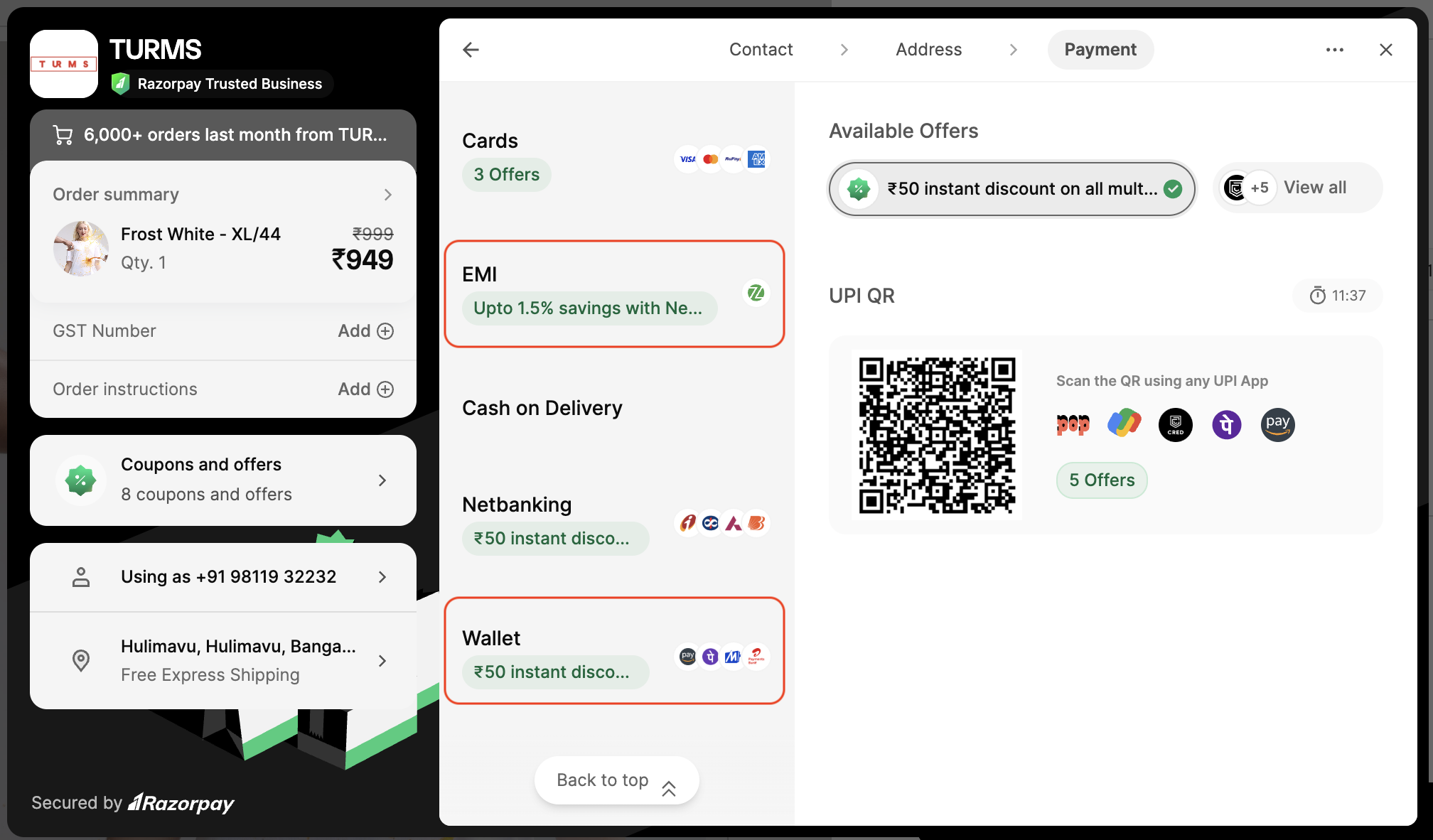
- Smart COD Intelligence assesses each order for risk and disables Cash on Delivery when needed. For this particular order, COD was not available at checkout, a decision made automatically by the system
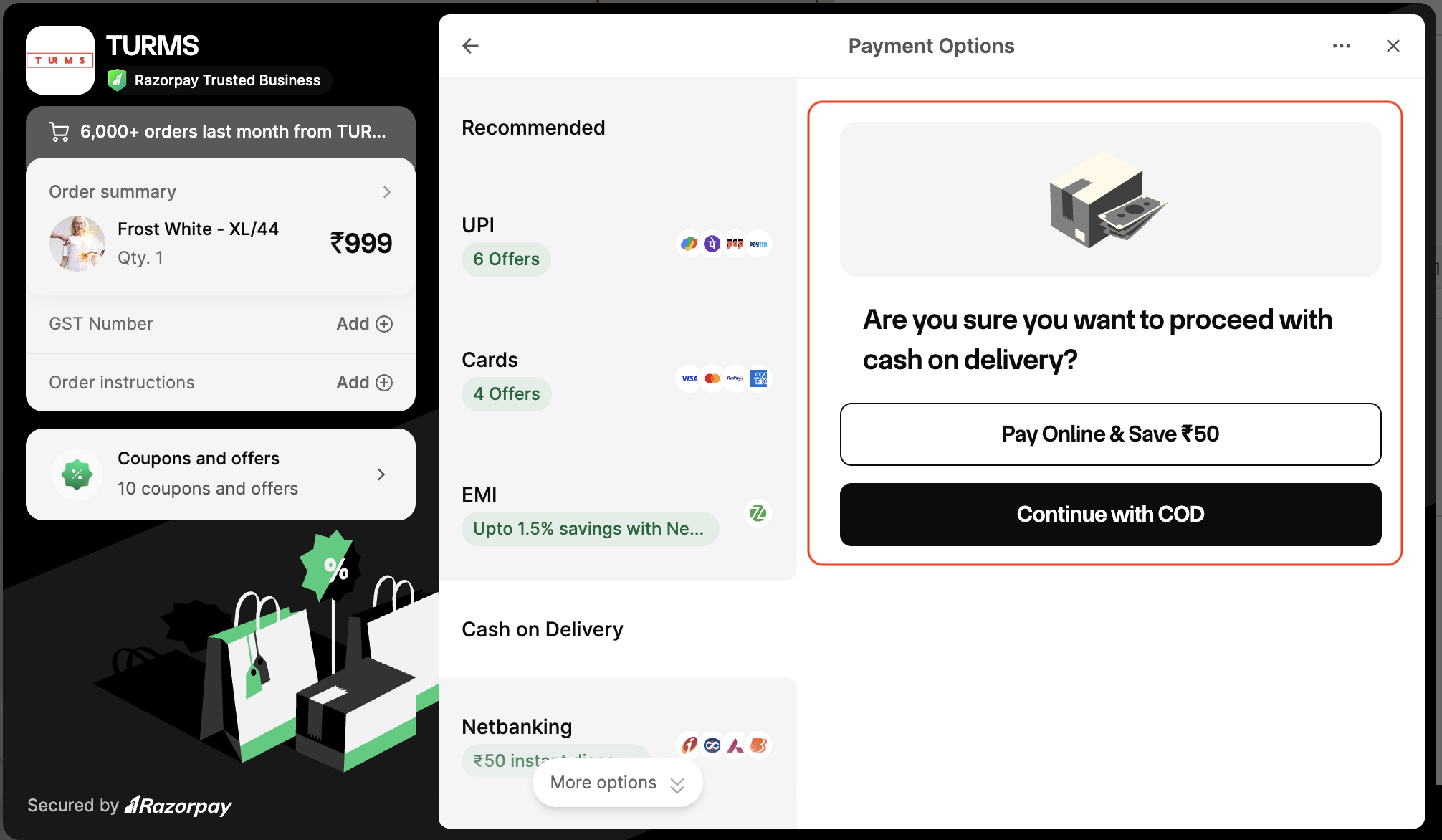
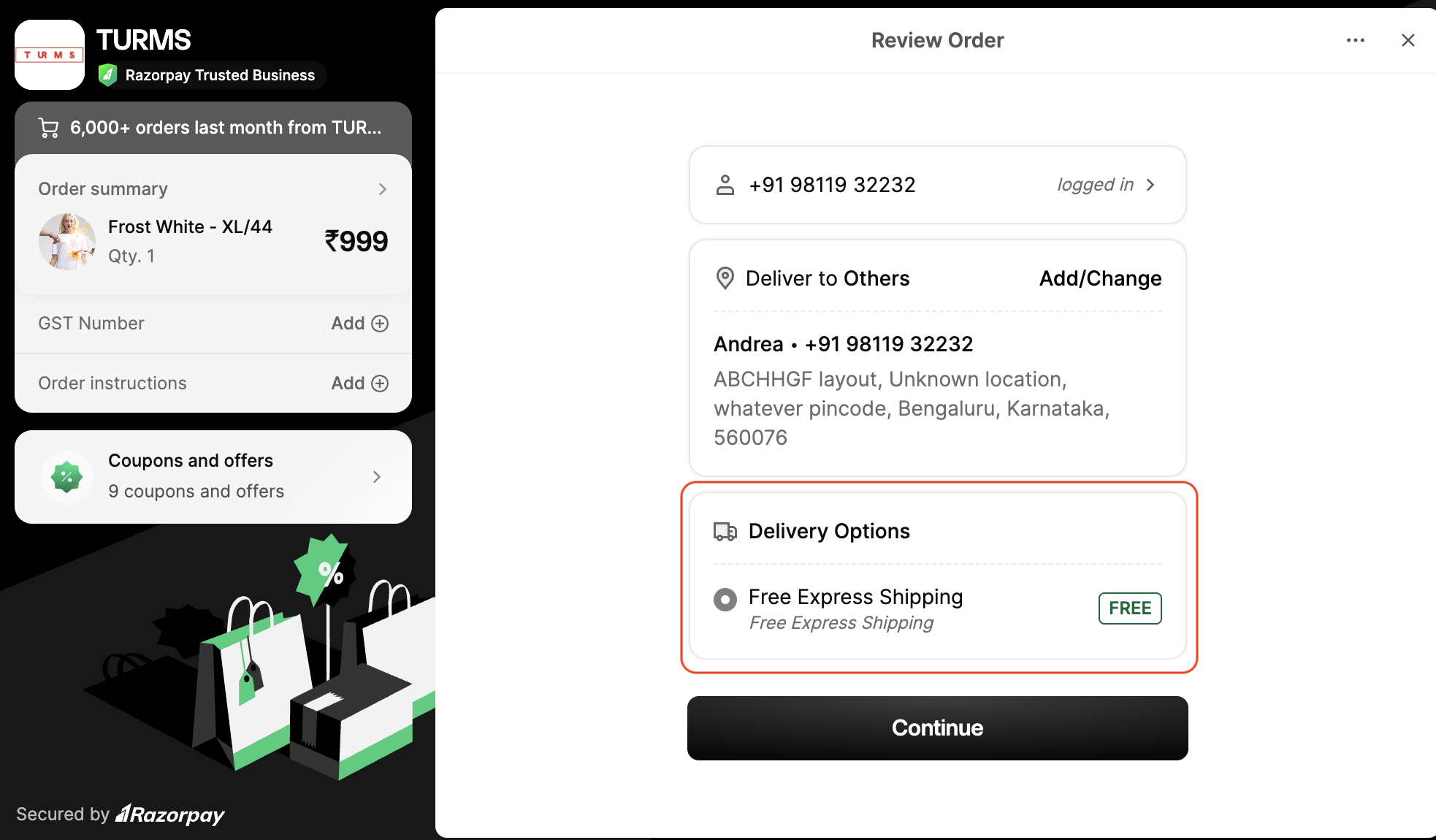
- Shipping options and estimated delivery dates are visible at checkout, so shoppers know exactly when to expect their order before they pay
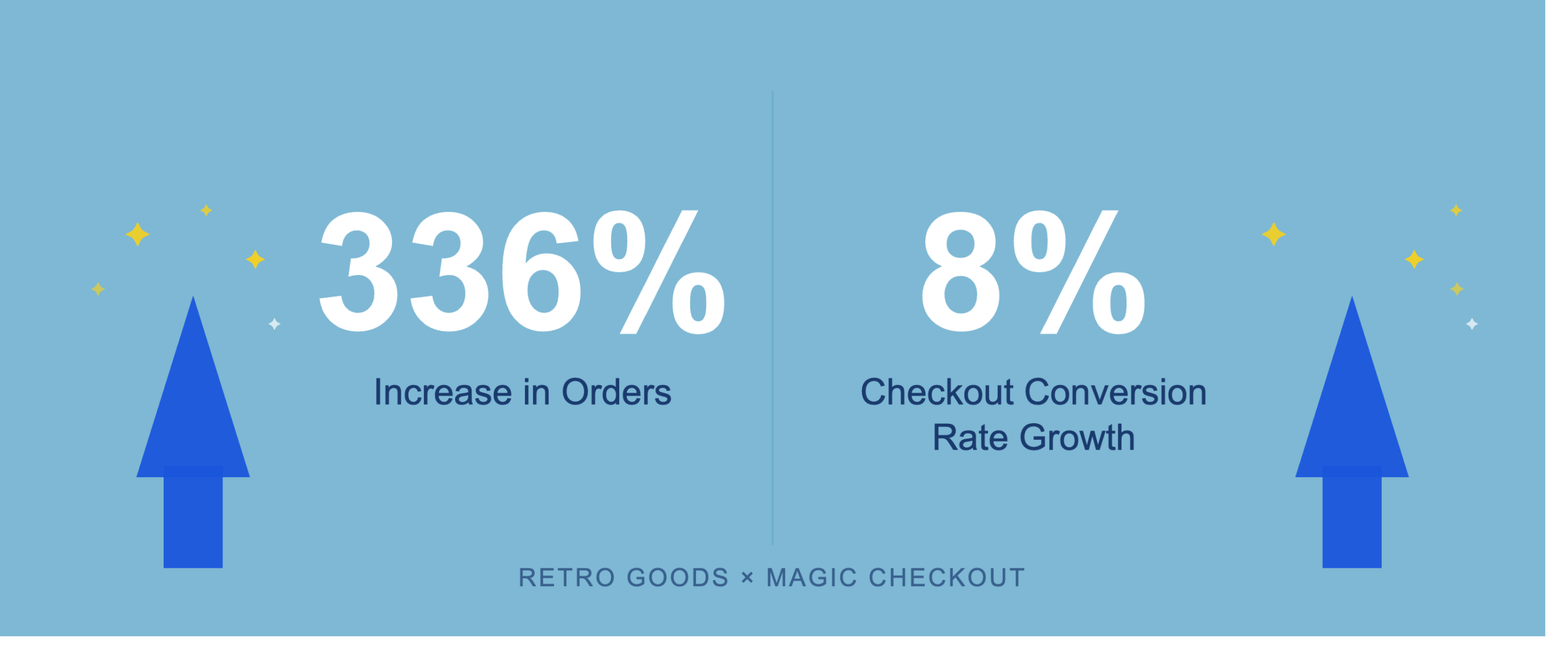
The Numbers Tell the Story
In Their Own Words
What Other D2C Brands Can Learn
For many D2C brands, checkout is often viewed as a final step in the customer journey. In reality, it has a direct impact on conversion rates, prepaid adoption, operational efficiency, and overall customer experience.
Retro Goods took the time to evaluate different options before making a decision. Their experience highlights the importance of looking beyond payment processing alone. Factors such as checkout speed, mobile usability, customer support, and operational controls can all influence long-term performance.
For brands currently reviewing their checkout stack, Retro Goods’ journey offers a useful perspective on what to look for and why those details matter.