
Key Takeaways
- Consumer Expectations: The vast majority of Singaporeans now prefer digital payments over cash, and businesses that do not offer them risk losing customers to competitors that do.
- Cash Is Fading: More than half of small businesses in Singapore have already stopped accepting cash entirely, driven by changing customer habits rather than regulation.
- Faster Payments, Better Retention: Going cashless helps SMEs get paid sooner, simplify accounting, and deliver a smoother checkout experience that keeps customers coming back.
- B2B Opportunity: Business-to-business digital payments adoption remains low in Singapore, creating a real advantage for companies willing to modernise how they invoice and collect.
If you have bought a coffee, paid for a cab, or split a dinner bill in Singapore recently, chances are you did not use cash. Tapping a card, scanning a QR code, or sending money through PayNow has become second nature for most people here. For consumers, the shift happened almost without thinking. But for businesses, especially smaller ones, keeping up with how customers want to pay takes a bit more effort.
The reality is straightforward: most people in Singapore prefer to transact digitally. If your business is not set up to accept them properly, you are probably making things harder for your customers and, by extension, for yourself.
How Singapore Became a Cashless-First Economy
Singapore did not stumble into being one of Southeast Asia’s most cashless-friendly countries. It was deliberate. The government’s Smart Nation initiative, supported by the Monetary Authority of Singapore (MAS), has been pushing the country in this direction for years. Systems like PayNow, FAST (Fast and Secure Transfers), and the SGQR unified QR code were all designed to make digital payments easier for everyone, from large retailers to the uncle running a hawker stall.
And it is working. Most consumers here now use a mix of credit cards, debit cards, bank transfers, and e-wallets on a daily basis. Younger Singaporeans, in particular, have gone almost entirely cashless. Apps like GrabPay and PayNow are as routine as checking the weather.
What is interesting, though, is what has happened on the business side. A growing number of small businesses across Singapore have stopped accepting cash altogether. Not because they were forced to, but because their customers stopped carrying it. When the majority of your buyers prefer to tap or scan, maintaining a cash-only setup creates unnecessary friction.
For businesses still on the fence, the message from the market is fairly clear: customers expect to pay digitally, and they will go where that option is available.
Why This Matters If You Run a Business
It is easy to think of going cashless as a nice-to-have. Something to get around to eventually. But for most businesses, it is already affecting the bottom line in ways that are hard to ignore.
Think about what happens when a customer reaches your checkout, whether online or in person, and their preferred payment method is not available. They do not usually wait around. They leave. And with so many alternatives a quick search away, getting them back is not guaranteed.
Businesses that have made the switch to accepting online payments and contactless methods tend to see a few consistent benefits. Payments come in faster because there is no waiting for cheques to clear or cash to be deposited. Accounting becomes simpler when every transaction has a digital trail. And customers just have a smoother experience overall, which keeps them coming back.
There is another angle worth thinking about, especially if your business works with other businesses. B2B payment adoption in Singapore is still surprisingly low compared to consumer-facing payments. Many companies still rely on manual bank transfers and even cheques for invoicing. If you can offer your clients a cleaner, faster way to pay you, that becomes a genuine competitive advantage. It also saves your finance team a lot of headaches.
How to Set Up Digital Payments for Your Business
The good news is that going cashless does not require a massive overhaul. Most businesses can get started with a few practical steps.
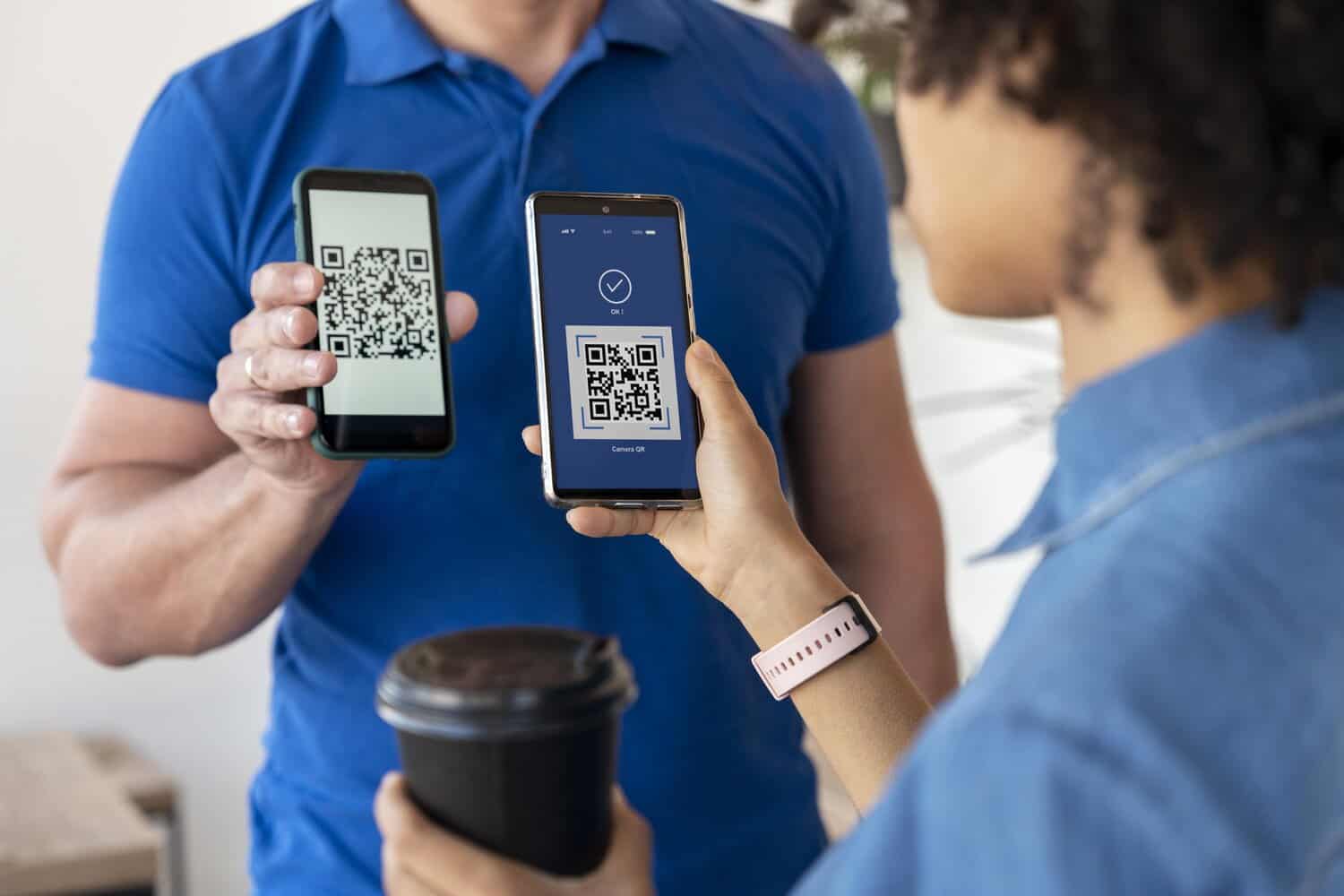
- Register for PayNow. If your business does not have PayNow set up yet, that is the easiest place to begin. It is free through most banks in Singapore, and it lets customers pay you instantly using your UEN (Unique Entity Number) or by scanning a QR code. For physical stores, the SGQR system means you only need one QR code to accept payments from multiple providers.
- Get a payment gateway for online sales. If you sell through a website, an app, or even through social media, you need a payment gateway to handle those transactions securely. A payment gateway sits between your customer and your bank. It encrypts payment details, verifies the funds, checks for fraud, and makes sure the money actually reaches your account. Without one, accepting online payments properly is not really possible.
- Consider automated billing. For businesses that run on subscriptions or send invoices regularly, automating your billing cycle takes the manual work out of chasing payments. It also helps with cash flow, which is something every growing SME worries about.
- Pay attention to compliance. The Payment Services Act 2019, overseen by MAS, sets out clear rules for payment service providers around anti-money laundering and fraud prevention. Whichever payment partner you choose, make sure they are compliant. It protects both you and your customers, and it is a legal requirement.
Finding the Right Payment Solution
Not every business needs the same setup. A solo freelancer sending invoices has very different requirements from an e-commerce brand processing hundreds of orders a week. So before you commit to anything, it helps to ask yourself a few questions:
- What payment methods do your customers actually use?
- Do you need to accept payments online, in person, or both?
- How easily does the solution connect with your existing website or tools?
- Can you manage everything, from transactions to refunds to settlements, without jumping between multiple platforms?
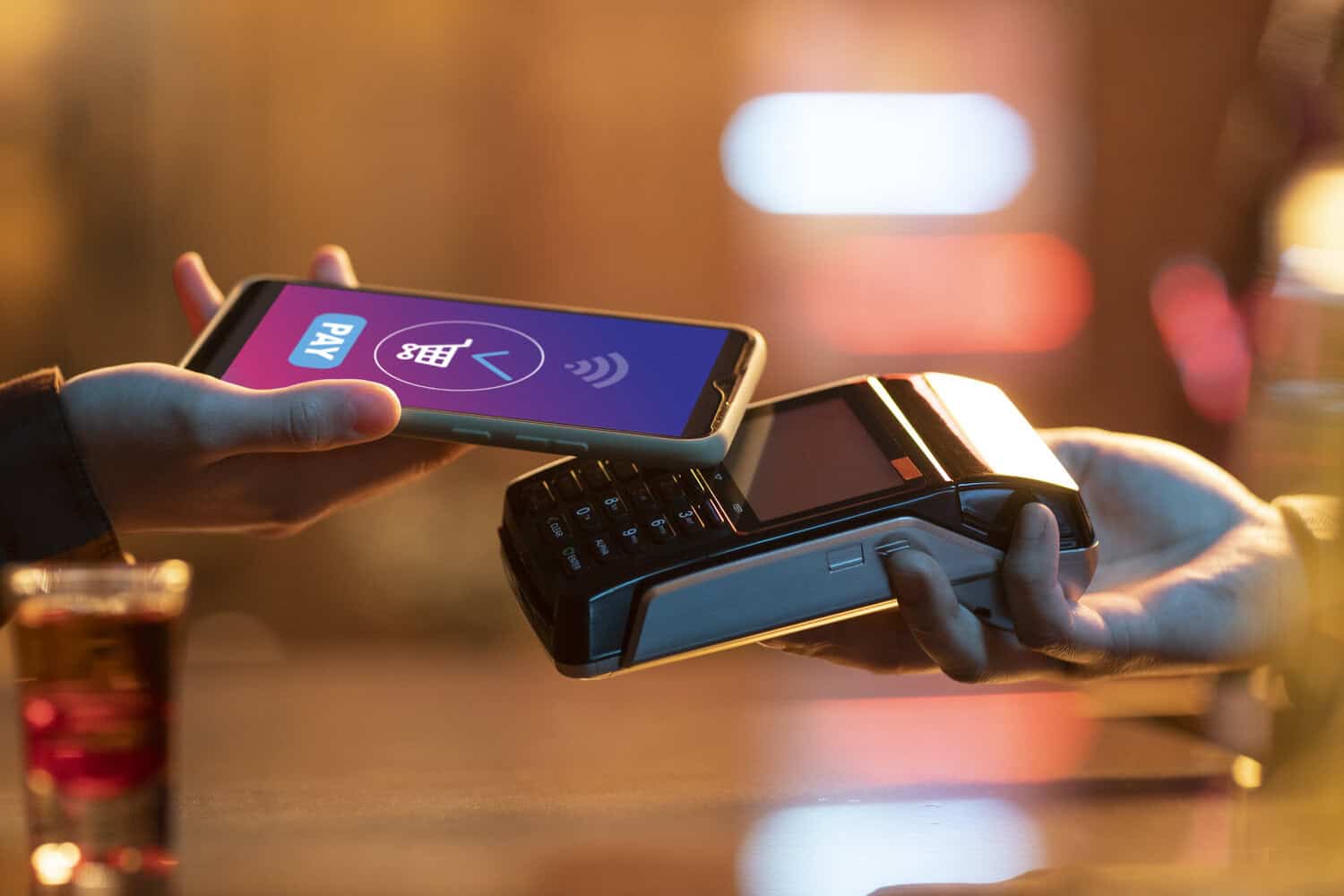
The best setup is usually one that handles cards, e-wallets, bank transfers, and digital payment methods in a single place. Less complexity means fewer things to go wrong, and more time to focus on actually running your business.
Preparing Your Business for What Comes Next
Singapore’s shift towards cashless is not slowing down. If anything, it is accelerating. The infrastructure is already in place, including PayNow and SGQR, with strong regulatory support from MAS. Consumer habits have changed for good. The businesses that adapt now will be the ones best positioned to grow, while those that wait risk falling behind.
Razorpay’s payment platform in Singapore is built to help startups and SMEs accept online payments through a single, simple integration. Whether your customers prefer cards, PayNow or e-wallets, it is all managed from one dashboard. Explore now to see how it can work for your business.
FAQs
What are digital payments and how do they work?
Digital payments are electronic transactions made without physical cash, such as card payments, PayNow, e-wallets, and QR code payments. Each transaction is processed through a payment gateway that encrypts and verifies the details before funds reach the merchant.
Do I need a payment gateway for my online store?
Yes. A payment gateway is required to securely process online payments on your website or app. It handles card verification, fraud checks, and the settlement of funds into your account.
What is the best way for small businesses to accept cashless payments in Singapore?
Start with PayNow, which is free to register through most banks. For in-store sales, set up SGQR. For online sales, integrate a payment gateway that supports cards, e-wallets, and bank transfers in one place so you can manage everything from a single dashboard.
Is it expensive to set up digital payments for my business?
Not necessarily. PayNow registration is free, and payment gateway providers like Razorpay charge a small per-transaction fee with no hidden costs. Razorpay’s transparent pricing makes digital payments accessible for startups and SMEs without large upfront commitments.
Can I accept both online and in-store payments through a single platform?
Yes. Razorpay’s payment platform in Singapore lets you manage online payments, QR code transactions, and payment links from a single dashboard, so you don’t need to juggle separate tools across channels.
