

Key Takeaways
- A payment platform acts as the central infrastructure connecting merchants, customers, banks, and card networks, making online transactions possible.
- The functions of a payment platform extend far beyond processing: they include security, fraud prevention, reconciliation, and reporting.
- Understanding what does a payment platform handle helps businesses choose solutions aligned with their operational needs.
- Modern platforms offer APIs, multiple payment method support, and automation features that reduce manual work for finance teams.
- For Singapore businesses, selecting a reliable payment technology platform Singapore providers trust means balancing functionality, compliance, and local payment method coverage.
When a customer taps “Pay” on your checkout page, what happens next might seem straightforward. Money moves from their account to yours. Simple enough, right?
Not quite. Behind that three-second transaction sits a complex chain of communication, where card networks, issuing banks, acquiring banks, fraud checks, currency conversions, and compliance protocols all fire in sequence. This is where the role of payment platform in online payments becomes clear.
A payment platform orchestrates all of this. It’s the infrastructure layer that translates a customer’s payment intent into actual fund movement, while handling everything that can go wrong along the way. As the lifeline of a business’s transactions, understanding what sits beneath your checkout experience is important for ensuring your revenue, operations, and customer experience all go smoothly.
Core Functions of a Payment Platform
So what does a payment platform handle, exactly? It’s actually more than most businesses realise.
Transaction Processing and Routing
The most visible function. When a customer submits payment, the platform captures their details, encrypts the data, and routes the request to the appropriate financial institutions. For card payments, this means communicating with card networks (Visa, Mastercard) and the customer’s issuing bank.
Good platforms handle routing intelligently. If one processing pathway experiences delays, traffic shifts to alternatives. If a particular card type has better success rates through a specific acquirer, the platform directs accordingly. This happens in milliseconds, invisible to the customer.
Multi-Method Payment Support
Customers pay differently: some prefer credit cards, while others use e-wallets, and the options expand further with international buyers. The functions of a payment platform include unifying these disparate methods under a single integration.
Without this consolidation, merchants would need separate integrations for each payment method, each with its own technical requirements, settlement processes, and reporting formats. This sort of operational overhead quickly becomes unmanageable.
Currency Handling and Conversion
For businesses selling regionally or globally, currency complexity multiplies. A platform handles multi-currency acceptance, manages exchange rate calculations, and ensures funds settle in your preferred currency.
This matters especially in Singapore’s cross-border commerce environment. A merchant might accept payments in SGD, MYR, USD, and EUR, with the platform managing each currency’s quirks so the merchant doesn’t need separate banking arrangements for each.
Recurring Billing and Subscriptions
Subscription businesses have specific needs. As payments are recurring, customer card details must be stored securely and tokenised, billing cycles must be automated, and failed payments must trigger retry logic. A payment platform provides this infrastructure, turning what would otherwise require custom development into configuration.
The Security Layer You Don’t See
Perhaps the most critical—and least visible—role of payment platform in online payments involves security.
Encryption and Data Protection
Every payment transaction contains sensitive data. Card numbers, CVVs, bank account details—all require protection both in transit and at rest. Payment platforms implement encryption standards (typically AES-256) and tokenisation, replacing actual card numbers with meaningless tokens that are useless if intercepted.
This isn’t optional. PCI DSS (Payment Card Industry Data Security Standard) compliance mandates these protections. Platforms that handle card data must maintain PCI certification, which is a rigorous, audited process.
Fraud Detection and Prevention
Fraudsters never stop evolving their tactics. Good payment platforms deploy machine learning models trained on millions of transactions to identify suspicious patterns, such as unusual purchase amounts, mismatched billing addresses, or velocity checks for rapid repeated attempts.
The challenge here, however, is calibration. If fraud detection is too aggressive, legitimate customers get blocked, and if it’s too lenient, fraud slips through. Fortunately, sophisticated platforms let merchants tune these rules based on their specific risk tolerance and customer base.
Regulatory Compliance
In Singapore, payment services fall under Monetary Authority of Singapore (MAS) oversight. Platforms operating here must either hold appropriate licenses or partner with licensed entities. This ensures consumer protection, anti-money laundering compliance, and operational standards.
For merchants, working with a compliant payment technology platform Singapore businesses trust means regulatory obligations are handled at the platform level—one less thing to worry about.
How Payment Platforms Simplify Operations
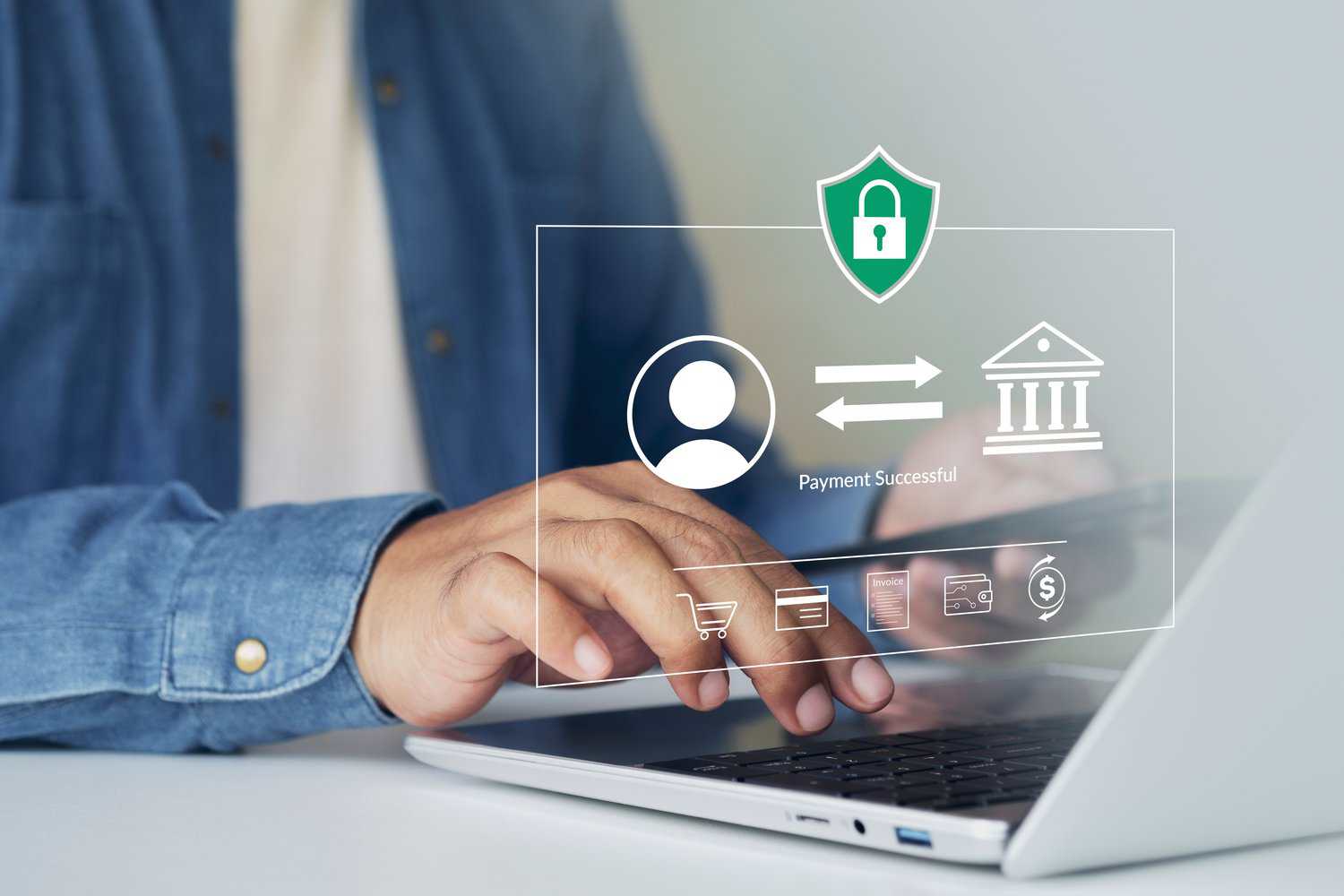
Beyond understanding what does a payment platform handle, it’s also worth noting how platforms streamline operations and reduce friction across their many moving parts.
Automated Reconciliation
The platform matches payments received to invoices issued and tracks refunds, chargebacks, and adjustments. For businesses processing hundreds or thousands of transactions monthly, manual reconciliation becomes a full-time job. Platforms automate this, providing consolidated reports that finance teams can work with a lot more easily.
Unified Reporting and Analytics
When all payment methods flow through a single platform, reporting consolidates naturally. Valuable insights such as revenue by payment type, success rates by geography, and average transaction values over time are accessible without the need for numerous spreadsheets.
This visibility is particularly valuable for decision-makers, as understanding which payment methods your customers prefer, where friction exists in your checkout, and how your metrics trend over time all inform your ideal strategy.
Developer-Friendly Integration
Modern platforms provide APIs that let technical teams integrate payment capabilities into websites, apps, and internal systems. Professional platforms have good documentation, sandbox environments for testing, and responsive developer support, paving the way for effective solutions.
Choose the Right Payment Platform for Your Business
The functions of a payment platform go beyond moving money from point A to point B. It handles the complexity of transaction routing, security, compliance, and reconciliation, freeing your team to focus on growing the business rather than managing payment infrastructure.
For Singaporean businesses, Razorpay’s payment technology platform delivers the core functions that matter: local payment method support, including PayNow and cards, straightforward API integration, automated reconciliation, and fraud protection. Our platform operates through partnerships with MAS-licensed payment service providers, ensuring built-in regulatory compliance all the way.
Look no further than Razorpay for a trusted payment technology platform Singapore merchants rely on. Our licensed payment service partners offer the infrastructure, local payment coverage, and compliance you need to accept payments confidently.
References:
- What is tokenization? A primer on card tokenization – Mastercard. (date n/a). Mastercard. Retrieved on 4th February 2026 from https://www.mastercard.com/global/en/news-and-trends/stories/2025/what-is-tokenization.html
- PCI Security Standards Council – Protect Payment Data with Industry-driven Security Standards, Training, and Programs. (date n/a). PCI Security Standards Council. Retrieved on 4th February 2026 from https://www.pcisecuritystandards.org/standards/
FAQs
Q1: What is the role of a payment platform in online payments?
A payment platform serves as the infrastructure connecting merchants, customers, banks, and card networks. It processes transactions, routes payments intelligently, handles security and fraud prevention, manages multiple payment methods, and provides reporting and reconciliation tools.
Q2: What functions does a payment platform handle?
Key functions include transaction processing and routing, multi-method payment support (cards, wallets, bank transfers), currency conversion, recurring billing automation, encryption and tokenisation, fraud detection, and compliance with financial regulations.
Q3: Why do businesses need a payment platform?
Without a payment platform, businesses would need separate integrations for each payment method, custom security implementations, manual reconciliation processes, and direct regulatory compliance management. Platforms consolidate these requirements into a single, manageable solution.
Q4: How do I choose a payment technology platform in Singapore?
Consider payment method coverage (especially local options like PayNow), integration complexity, pricing transparency, security certifications (PCI DSS), regulatory compliance with MAS requirements, and availability of local support.
